
India Plastic Notes 2026: UFlex and Spectra Bid for RBI Polymer Currency Project: India is moving closer to testing polymer banknotes, commonly called plastic notes, as the Reserve Bank of India (RBI) explores more durable currency for everyday use.
In the latest development, UFlex and US-based Spectra Systems have joined the race for the RBI’s proposed polymer currency project. The companies are looking to supply technology and materials for a programme that could initially focus on ₹10 and ₹20 denomination banknotes.
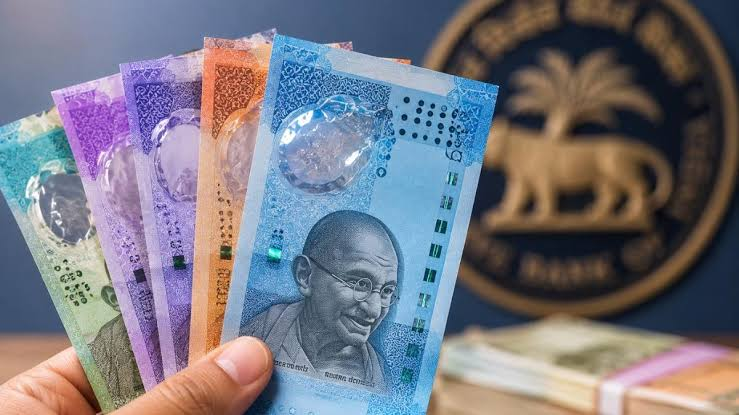
The move is significant because polymer currency can offer greater durability and additional security features compared with traditional paper-based banknotes.
RBI Polymer Banknote Project: What We Know
The polymer currency initiative is being handled through Bharatiya Reserve Bank Note Mudran Pvt Ltd (BRBNMPL), an RBI-owned company.
The proposed project involves the use of biaxially oriented polypropylene (BOPP) polymer substrate. Such material is already used internationally for producing polymer banknotes.
The initial plan is focused on field testing rather than immediately replacing India’s existing paper currency.
UFlex and Spectra Enter the Race
Indian company UFlex has partnered with Spectra Systems, a US-based company known for technologies related to currency authentication and security.
Their participation in the tender could bring together UFlex’s polymer manufacturing capabilities and Spectra’s expertise in banknote security technology.
The companies’ bid is part of the procurement process, meaning the final supplier has not necessarily been selected yet.
₹10 and ₹20 Notes Could Be Tested First
The proposed polymer banknote programme is expected to begin with lower denominations.
The government has approved field trials involving:
| Denomination | Proposed Trial Quantity |
|---|---|
| ₹10 | 1 billion notes |
| ₹20 | 1 billion notes |
The trials will help authorities evaluate how polymer notes perform under India’s different climatic and usage conditions.
Why Does India Want Plastic Notes?
One of the biggest advantages of polymer currency is durability.
Low-value banknotes generally change hands frequently. As a result, they can become dirty, damaged or worn out relatively quickly.
Polymer notes can potentially:
- Last longer than conventional paper notes
- Resist moisture better
- Handle frequent circulation
- Offer advanced security features
- Include transparent windows and other authentication elements
- Reduce the frequency with which worn notes need to be replaced
However, actual benefits for India will need to be established through domestic testing.
Will Plastic Notes Replace Paper Currency?
No, not immediately.
The proposed programme is primarily a testing exercise. Even if polymer banknotes perform successfully, that does not automatically mean India’s existing paper currency will disappear.
Polymer and paper banknotes could circulate alongside each other, particularly during any transition period.
When Could Polymer Notes Come to India?
The project is still progressing through procurement, technical evaluation and testing.
The RBI has indicated that polymer banknotes could potentially be introduced from FY2028, subject to successful trials and other approvals.
Therefore, people should not expect to receive plastic ₹10 or ₹20 notes immediately.
What Happens Next?
The next stages are expected to involve technical evaluation and testing of polymer substrates and related technologies.
Authorities will need to assess several factors, including:
- Durability under Indian conditions
- Printing quality
- Security features
- Resistance to moisture and handling
- Compatibility with currency-processing equipment
- Overall production and replacement costs
- Public usability and acceptance
Only after these assessments will a broader rollout become possible.
India Plastic Notes 2026: Key Takeaways
India’s proposed polymer currency project represents an important experiment in modernising the country’s physical currency system.
The participation of UFlex and Spectra Systems is a notable development, but their bid should not be interpreted as confirmation that polymer notes have already been approved for nationwide circulation.
The immediate focus remains testing and evaluation, particularly for ₹10 and ₹20 denominations. If the trials demonstrate that polymer notes are more durable, secure and practical for India’s conditions, the country could move toward wider adoption in the future.
FAQs
Are plastic notes coming to India?
India is preparing for trials of polymer banknotes. A nationwide rollout has not yet happened.
Which denominations will be tested?
The initial programme is focused on ₹10 and ₹20 banknotes.
Which companies have bid for the project?
UFlex and Spectra Systems have partnered to bid for the proposed polymer currency programme.
Will paper notes be discontinued?
There is no indication that paper currency will immediately be discontinued. Polymer and paper notes could coexist.
When could polymer notes be introduced?
The RBI has indicated a possible introduction from FY2028, subject to successful trials and evaluation.









1 thought on “India Plastic Notes 2026: UFlex and Spectra Bid for RBI Polymer Currency Project”